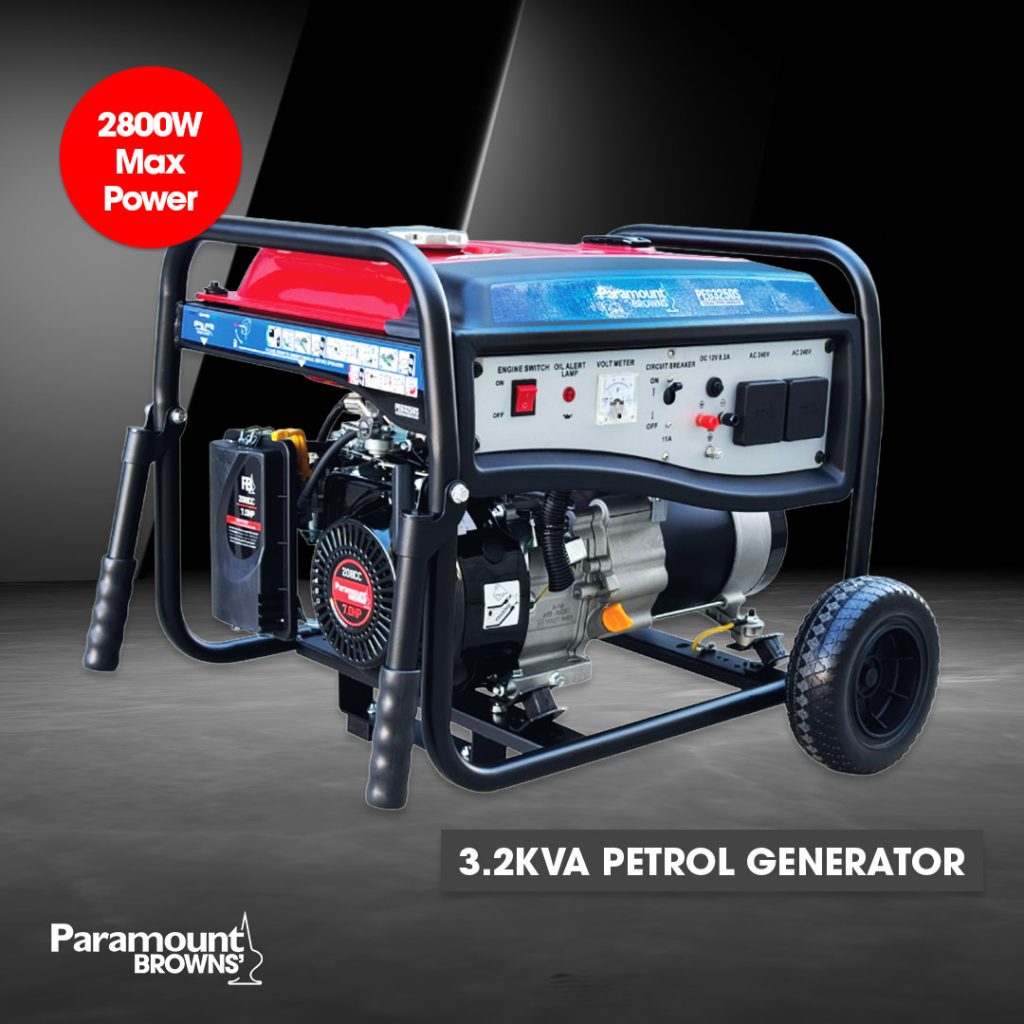
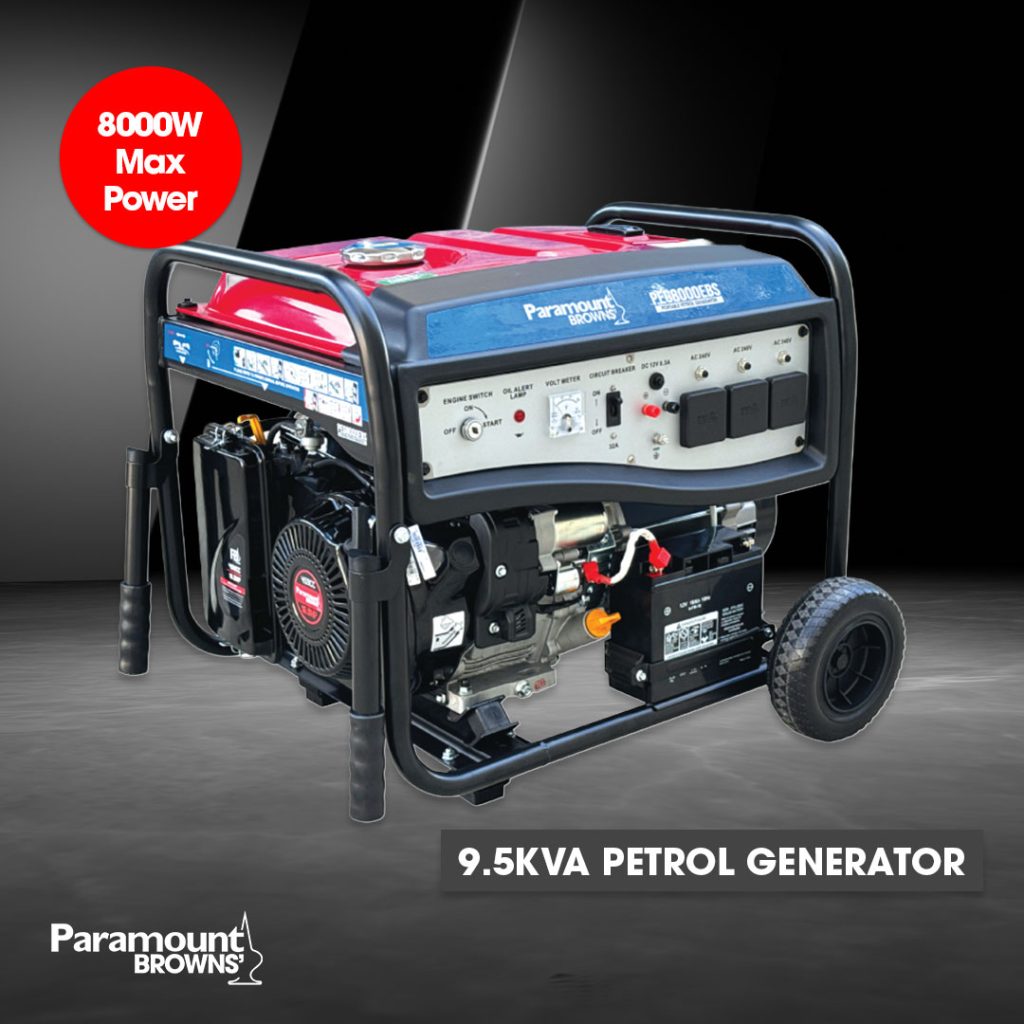
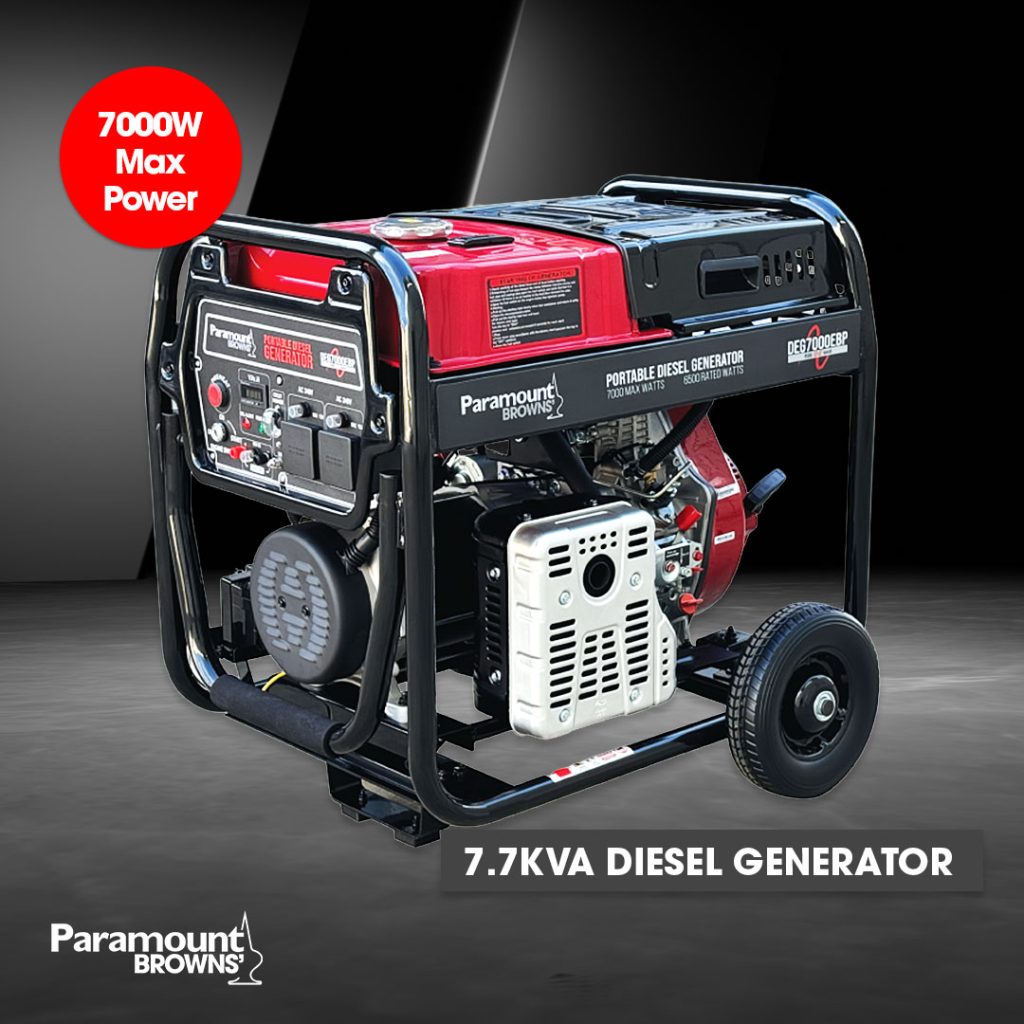
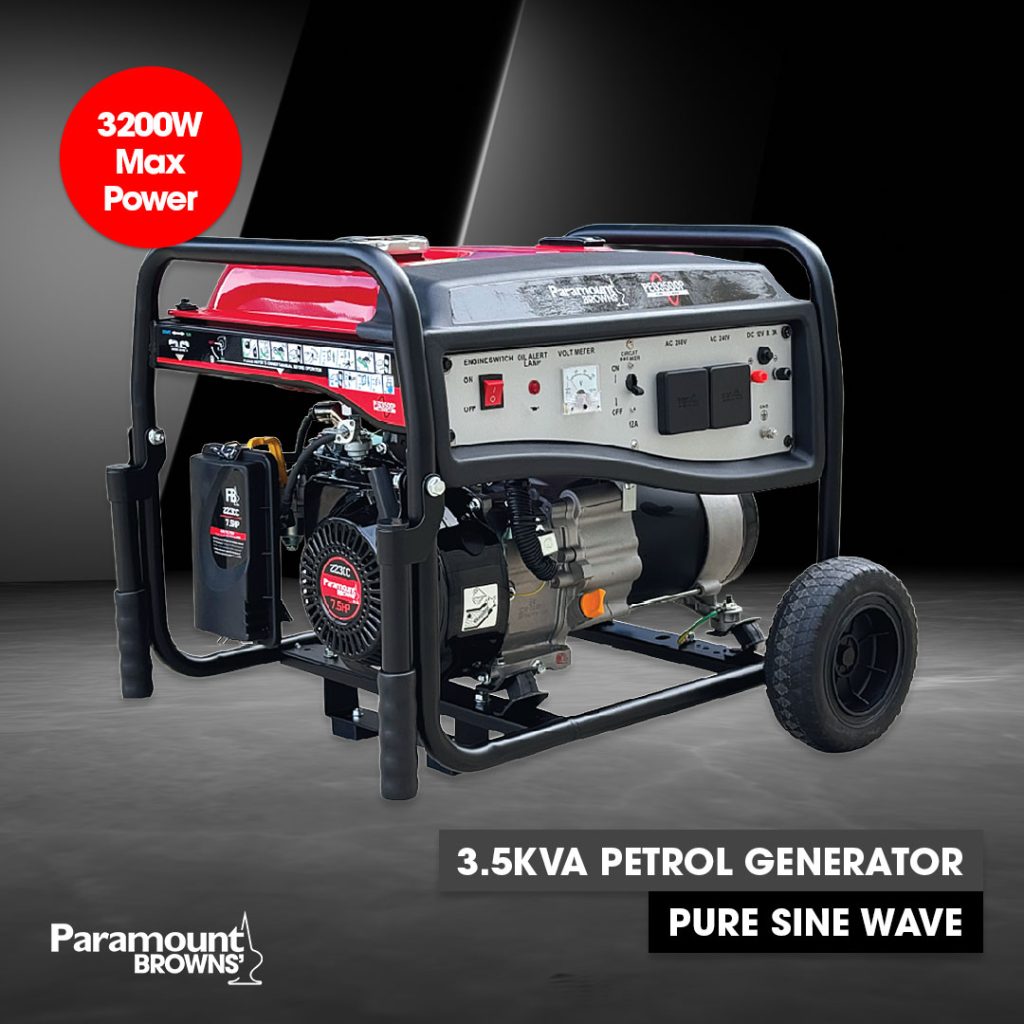
Generator 101: Your Guide to Never Being Left in the Dark
We’ve all been there. The sky turns a bruised shade of purple over the hills, the wind starts howling through the gums, and suddenly—click—total darkness. Whether it’s a planned blackout, a summer storm, or you’re just setting up a weekend campsite at Yorke Peninsula, having a generator is the ultimate insurance policy.
But at Paramount Browns, we know that looking at a row of generators can feel like looking at the cockpit of a 747. Which one do you actually need?
This guide breaks down everything you need to know to choose, use, and maintain your generator like a pro.
Inverter vs. Traditional: What’s the Difference?
Before you look at the price tag, you need to look at what you’re plugging in.
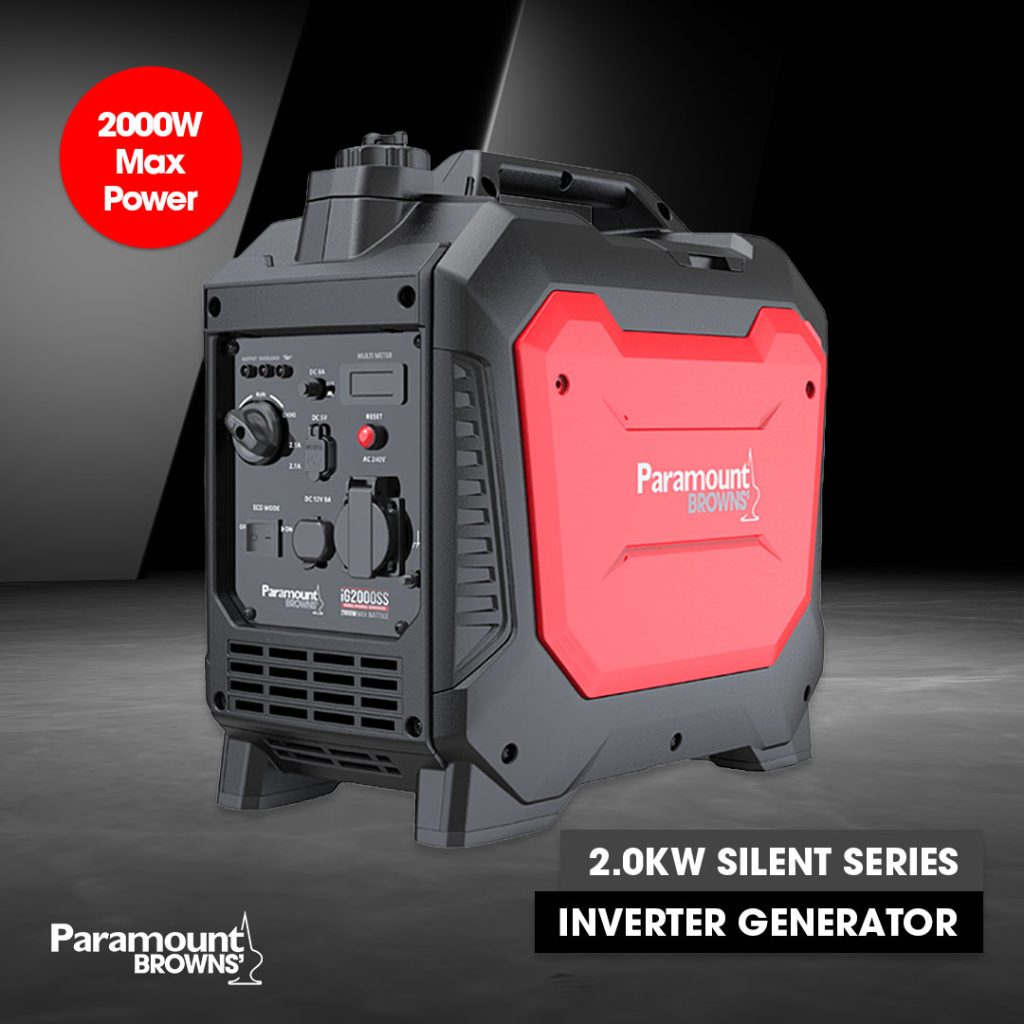
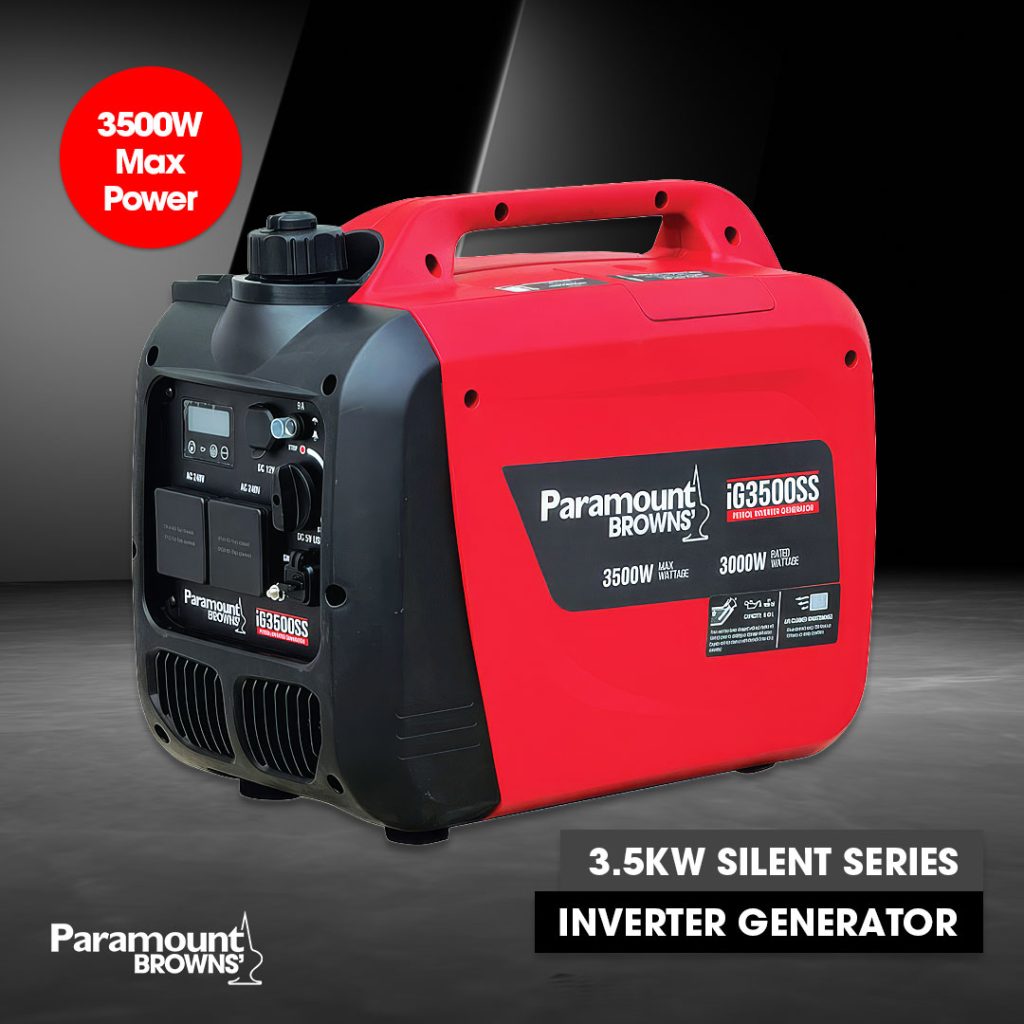
Inverter Generators: Think of these as the “refined” choice. They use a different type of alternator to produce a cleaner energy.
Best for: Laptops, smartphones, TVs, and sensitive electronics. The Perk: They are incredibly quiet and fuel-efficient, throttled down when demand is low.
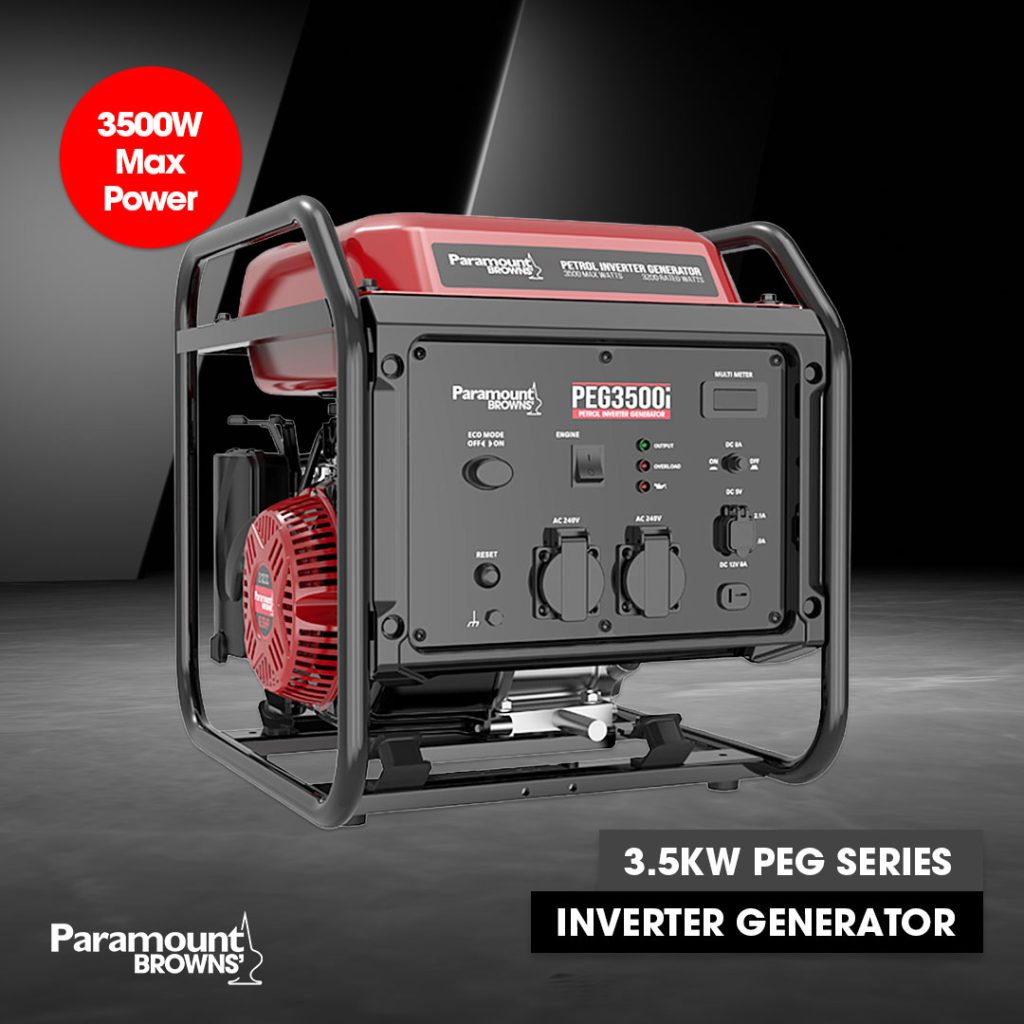
Traditional Open-Frame Generators: These are the “workhorses.” They are louder and the power output has more “noise” (fluctuations).
Best for: High-draw power tools, grinders, saws, and basic appliances like heaters or old-school fridges. The Perk: You get much more “bang for your buck” in terms of raw wattage.
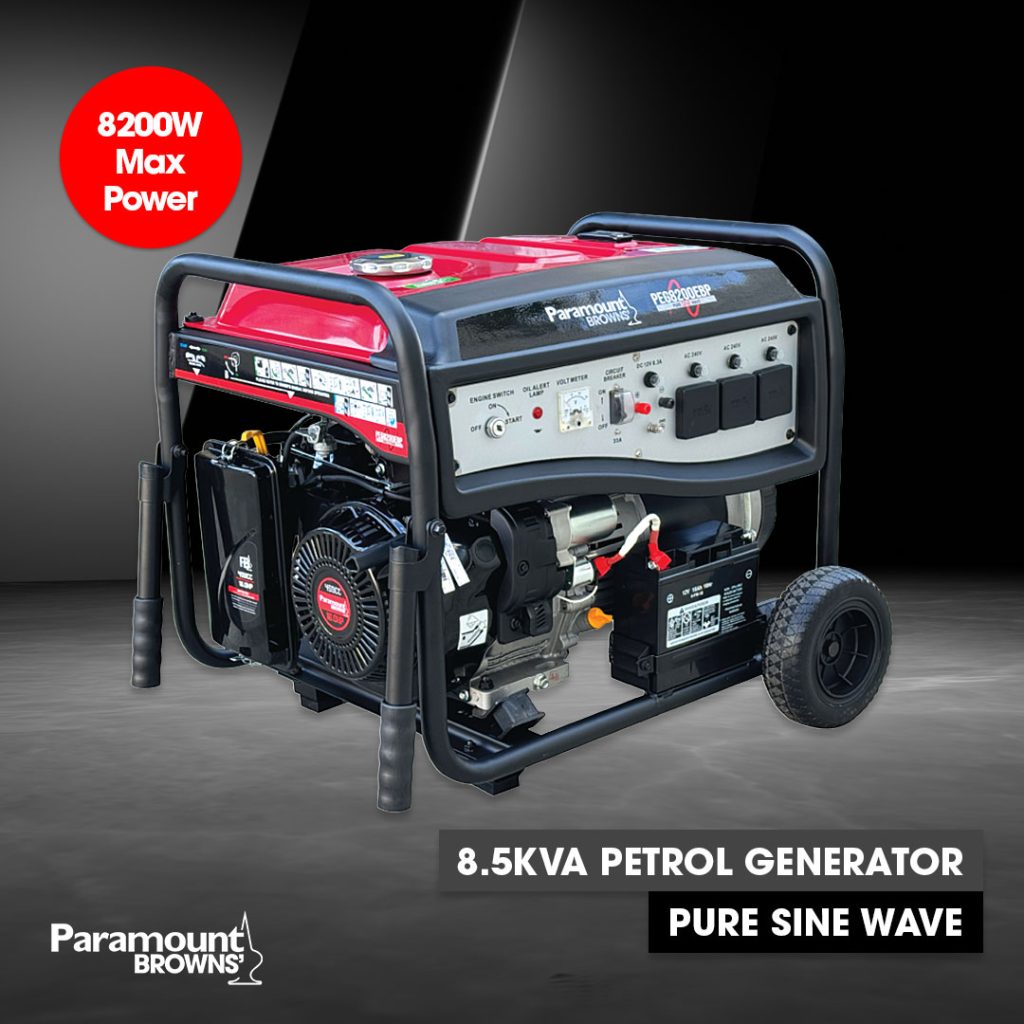
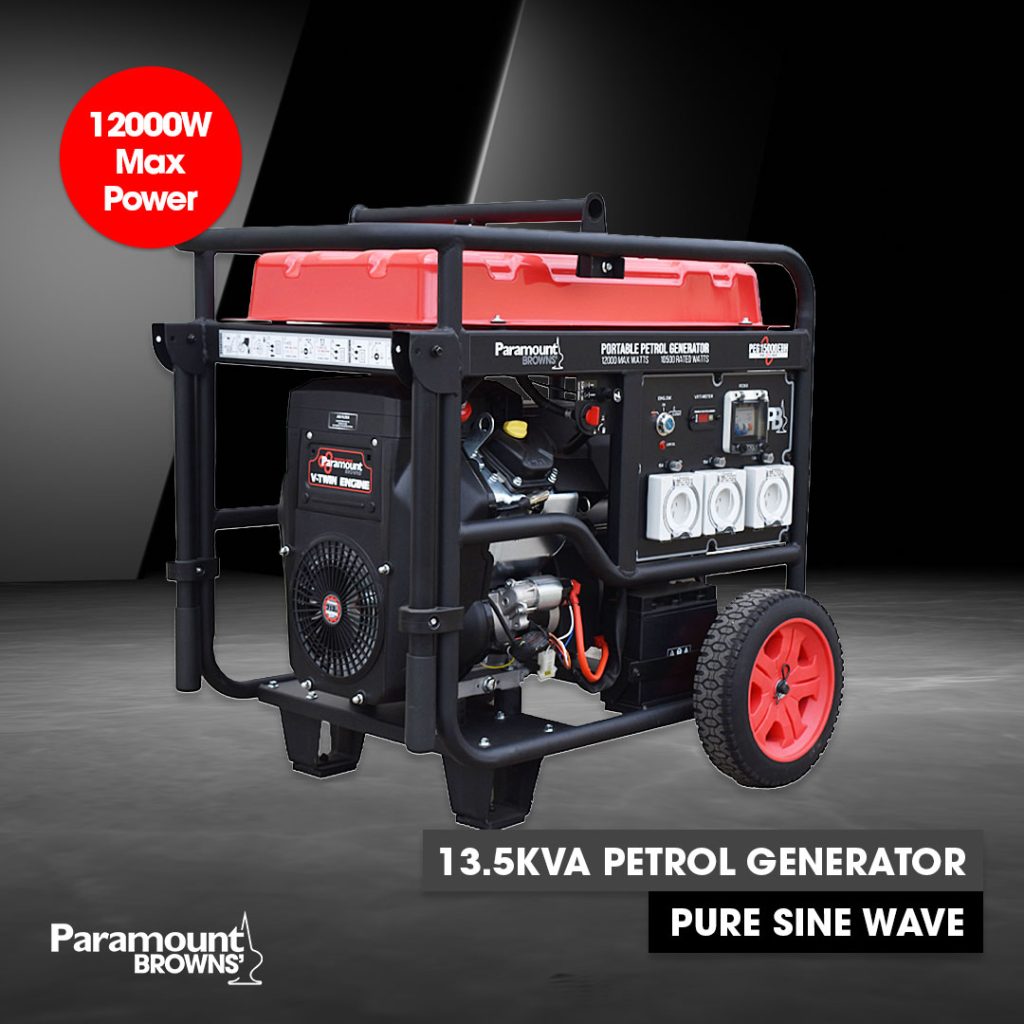
Pure Sine Wave Generators: These are the “Hybrid Heroes.” They combine the high-wattage capacity of a traditional open-frame with a sophisticated alternator that mimics the “clean” power of your home’s wall sockets.
Best for: Modern home backup (fridges with digital screens, modern TVs), solar battery charging, and electronic-heavy camping setups or worksites.
The Perk: You get the high power output needed for big appliances without the risk of “frying” sensitive control boards or microchips.
The Magic Formula: How Much Power Do You Need?
The biggest mistake people make is buying a generator that is too small, causing it to “trip” as soon as the fridge kicks in. You need to understand Running Watts vs. Starting (Surge) Watts.
Most appliances need a massive “kick” of energy just to start their motors, then they settle down to a lower level.
Pro Tip: Always add up the Starting Watts of your largest item plus the Running Watts of everything else. Then, add a 20% safety buffer so your generator isn’t running at 100% capacity all the time. Keeping it around 80% load is beneficial for extending the generator’s lifespan.
Quick Reference Guide: Actual running and starting watts vary significantly based on the manufacturer, model, and age.
Appliance
Running Watts
Starting Watts
Recommended Generator
LED Light Bulb
10W
10W
Traditional or Inverter (Any power source)
Laptop Charger
60W
60W
Inverter Only (Sensitive electronics)
Domestic Fridge
700W
2,200W
Inverter Recommended (Protects modern control boards)
800W Microwave
1,200W
1,200W
Inverter Recommended (Ensures timer/electronics function correctly)
Take the guesswork out and learn to calculate how much power you need before purchasing a generator. An appliance wattage table and a calculator worksheet are both included in the guide to help you get started.
South Australian Maintenance: Beating the Heat and Dust
Our SA climate is tough on machinery. If you want your generator to start on the first pull when the power goes out, follow the Rule of Three:
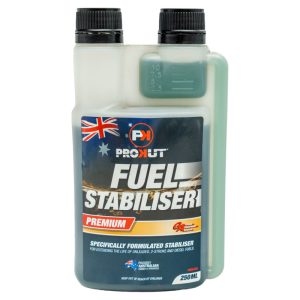
1 – Fresh Fuel is King: Petrol starts to go “stale” in as little as 30 days. This creates a gummy residue that clogs your carburetor. If you aren’t using your generator, use a fuel stabiliser or run the tank dry before storage.
Recommended Product
Keep your engines running smoothly after long periods of storage with the PROKUT 250ml Fuel Stabiliser. This highly concentrated additive is a must-have for any workshop, designed to preserve the quality of both petrol and diesel fuels.
2 – The Monthly Exercise: Think of your generator like an athlete. Once a month, take it out, start it up, and let it run for 15 minutes with a small load (like a light or a drill) plugged in. This keeps the seals lubricated.
3 – Check the Filters: Between the dust of the Plains and the pollen of the Hills, air filters get clogged fast. A dirty filter makes your engine run hot and use more fuel.
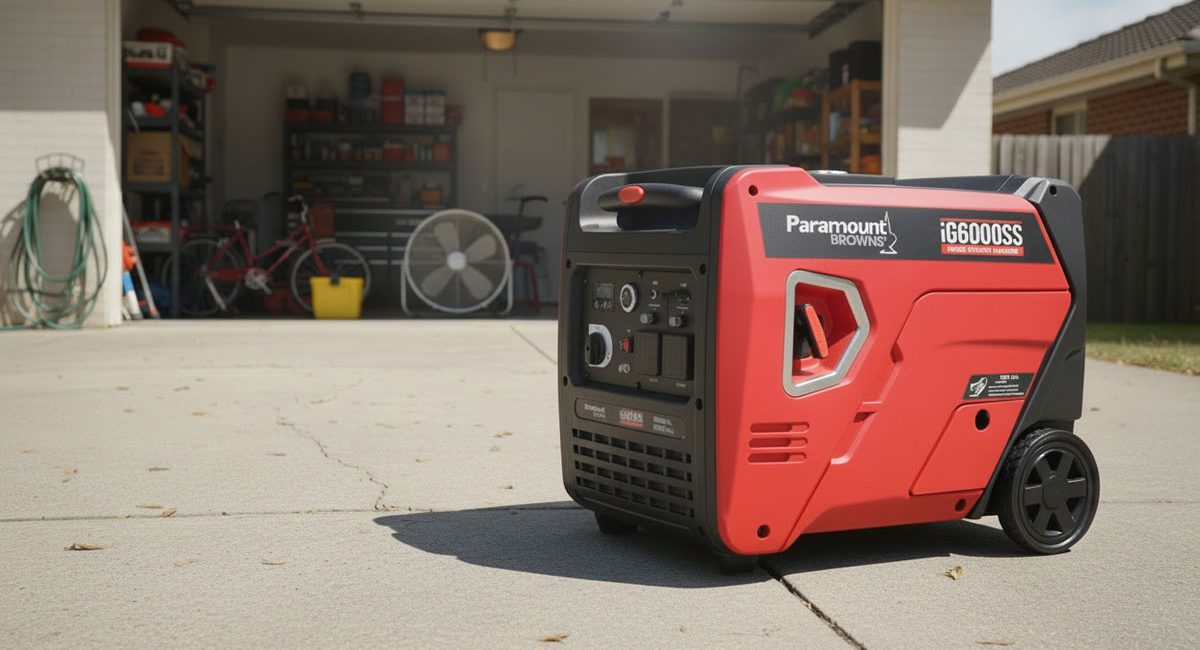
6.0KW SILENT SERIES INVERTER GENERATOR
Safety First (The Non-Negotiables)
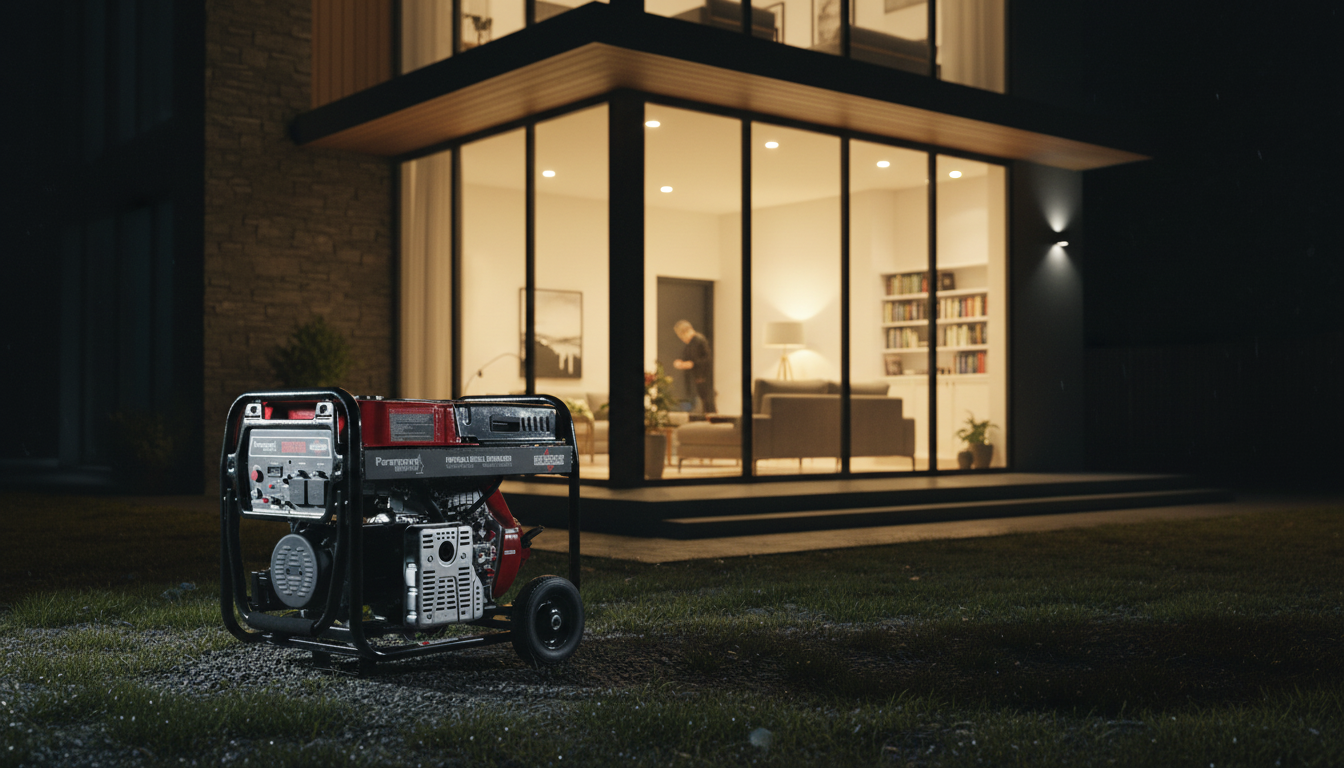
The “Silent Killer”: Never, ever run a generator inside a house, garage, or shed—even with the door open. Carbon Monoxide is odourless and deadly. Keep the unit at least 5-7 meters away from windows and doors.
No “Back-Feeding”: Never plug your generator into a standard wall outlet to try and power your whole house. This can “back-feed” electricity into the grid and potentially injure utility workers. If you want to power your whole home, ask a licensed sparky to install a Changeover Switch.
Need a hand choosing?
At Paramount Browns, we’ve been helping South Australians find the right gear for decades. Whether you need a portable 2kVA inverter for the caravan or a heavy-duty diesel unit for the farm, come see us at Gepps Cross or Mount Barker. We’ll help you do the math and get the right tool for the job.